Beyond the Ballot Box
The podcast explores how democracy extends beyond elections. It features in-depth conversations about political economy and human rights in Malaysia, Southeast Asia, and around the world. Discussions approach these issues through a class lens.
Episodes
Why is Voting Important?
Voting is often seen as the cornerstone of democracy, giving ordinary people a say in who governs them and the direction their country takes. But what does it mean to participate in politics beyond casting a ballot every few years? And how much can voting actually change when political parties must navigate coalition politics, competing interests and the realities of governing?In Malaysia, the 201
Gender Gap Report 2026 - Women are Highly Educated but Severely Underrepresented
Since 2006, the World Economic Forum’s Global Gender Gap Report has measured how far countries have come in closing the gaps between men and women across four areas: economic participation and opportunity, educational attainment, health and survival, and political empowerment.This year marks its 20th edition, covering 145 economies. Among the economies tracked since the very first edition, the ove
Will Ideology Help Us Navigate the Problems of the 21st Century?
We live in a world grappling with growing inequality, political polarisation, a climate crisis and rapid technological change. From socialism and liberalism to nationalism, conservatism and fascism, political ideologies offer different explanations for what’s wrong with society and how we might fix it. In this episode, we discuss whether ideology is still relevant today and whether it can hel
Does Budget 2027 Address the Needs of Regular Malaysians?
Last Friday, the MADANI government unveiled Budget 2027, proposing RM459.8 billion in spending for the year ahead, up from the revised RM444.1 billion for 2026. With plans to raise the minimum wage to RM2,000, expand cash assistance and increase tax relief for individuals, the government says it wants economic growth to translate into better living standards. But with housing affordability, stagna
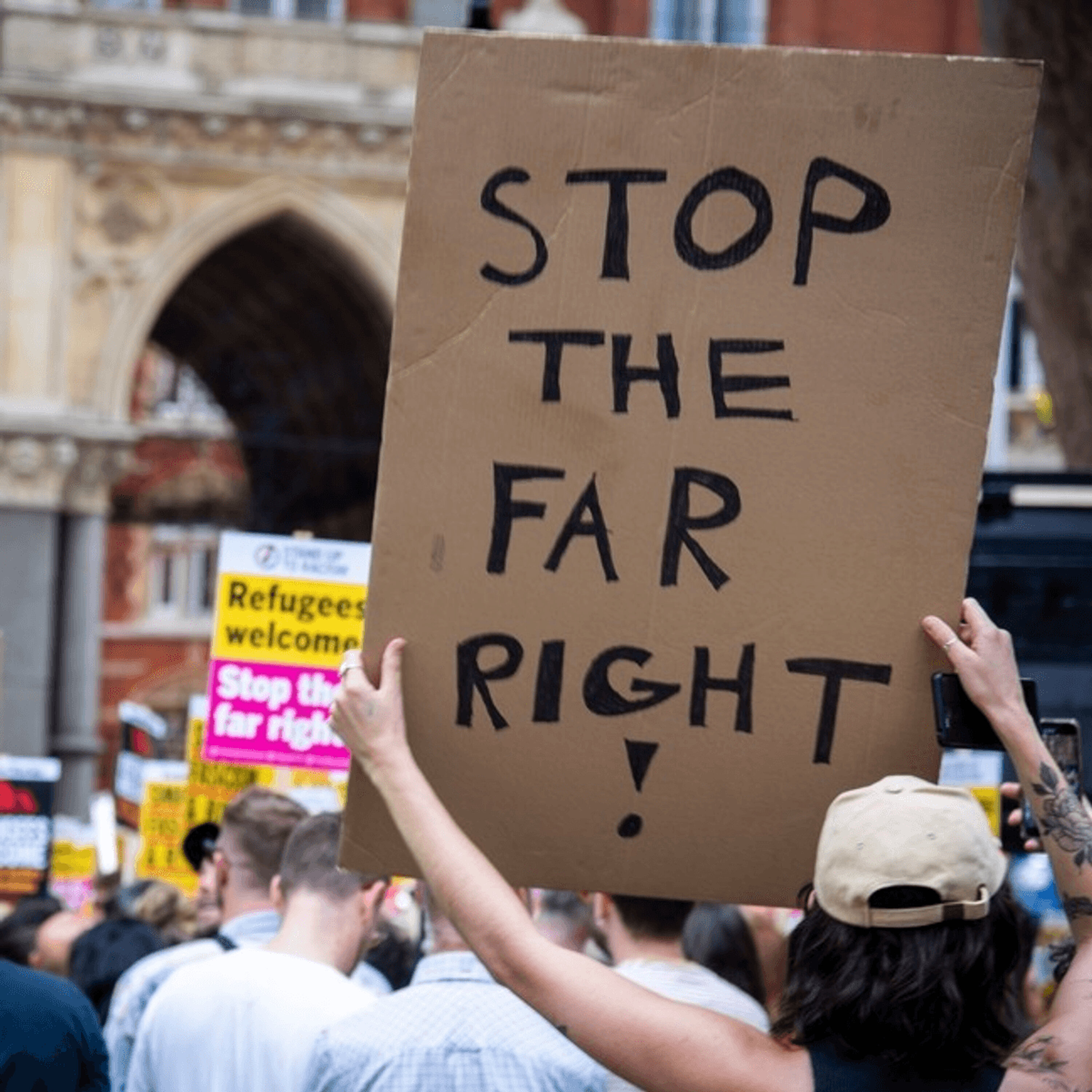
Making Sense of the Rise of Far-Right Movements Globally
Over the past decade or so far-right parties and leaders have moved from the fringes to the forefront of global politics. Figures like Donald Trump, Marine Le Pen, Giorgia Meloni, Narendra Modi and the BJP, Nigel Farage in the UK, AFD in Germany and more who’s views were once seen as outliers or shrugged off altogether, now command mass followings, win elections and shape global political discours
What Do Malaysian Indians Need From Budget 2027?
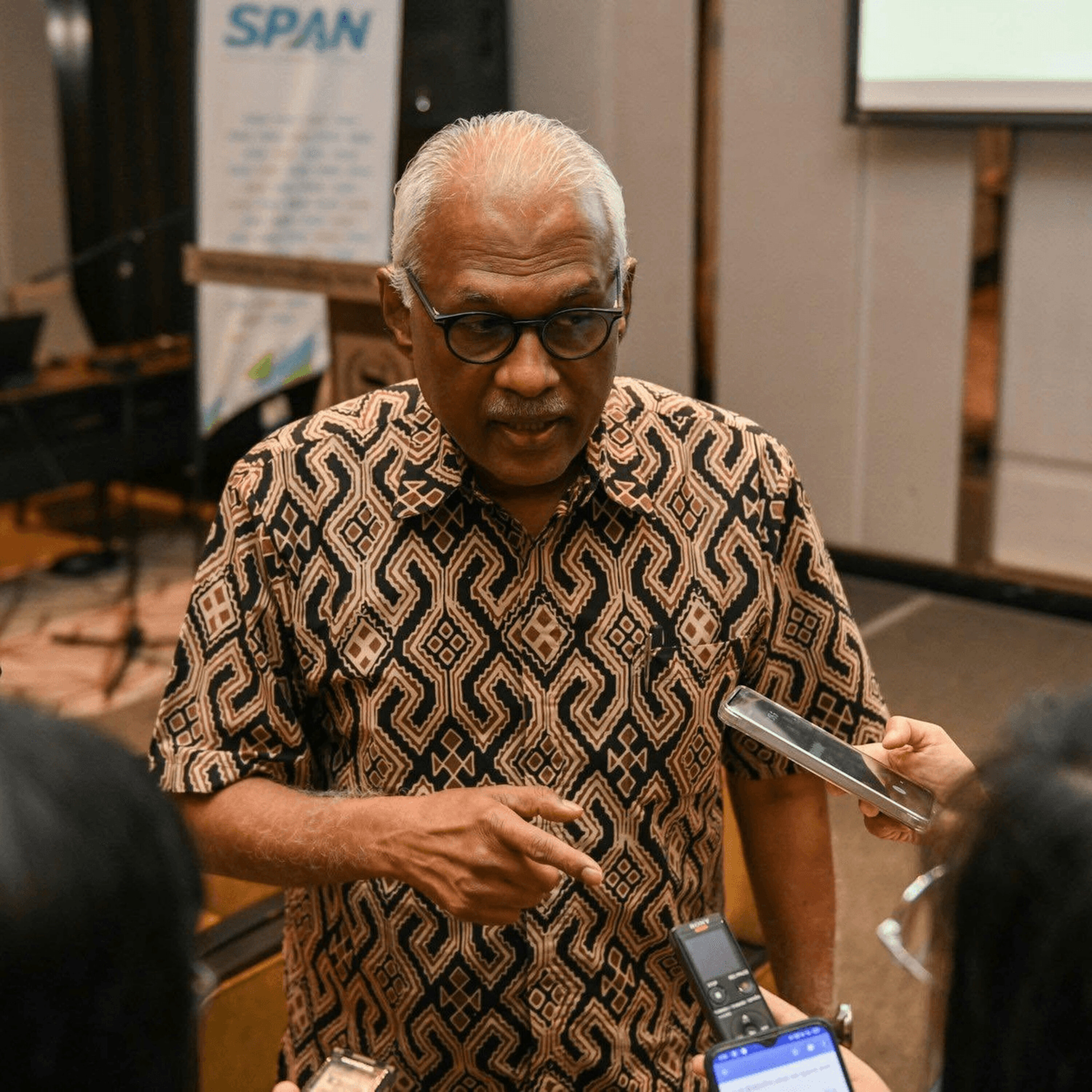
Budget 2027 will be tabled in Parliament this Friday. In the lead-up to it, former Klang MP Charles Santiago who also runs the think tank Monitoring Sustainability of Globalization (MSN), has been calling for the government to put household prosperity at the centre of its economic policy with stronger wages, social protection and action on the cost of living. He argues that economic growth means l

World War III, Climate Crisis, AI: Is the World on the Brink of Collapse?
We’re living through a period of enormous uncertainty. Great power tensions are rising, from the US and China to Russia and Europe. The climate is warming, bringing more extreme heat, floods and disruption. And AI is developing at a pace that has left even the people building these systems debating where all of this could ultimately lead.And perhaps what makes all three particularly frightening is

How Unpaid Care Work Is Becoming a Foreign Policy Issue
Across Asia-Pacific, women continue to shoulder a disproportionate share of unpaid care work. The situation is becoming increasingly challenging as societies age, birth rates decline, and demand for elderly care grows. These pressures are further compounded by migration, the climate crisis, and rising economic insecurity, all of which are reshaping care needs across the region. The economic implic
What Would an Alternative Economic System Look Like?
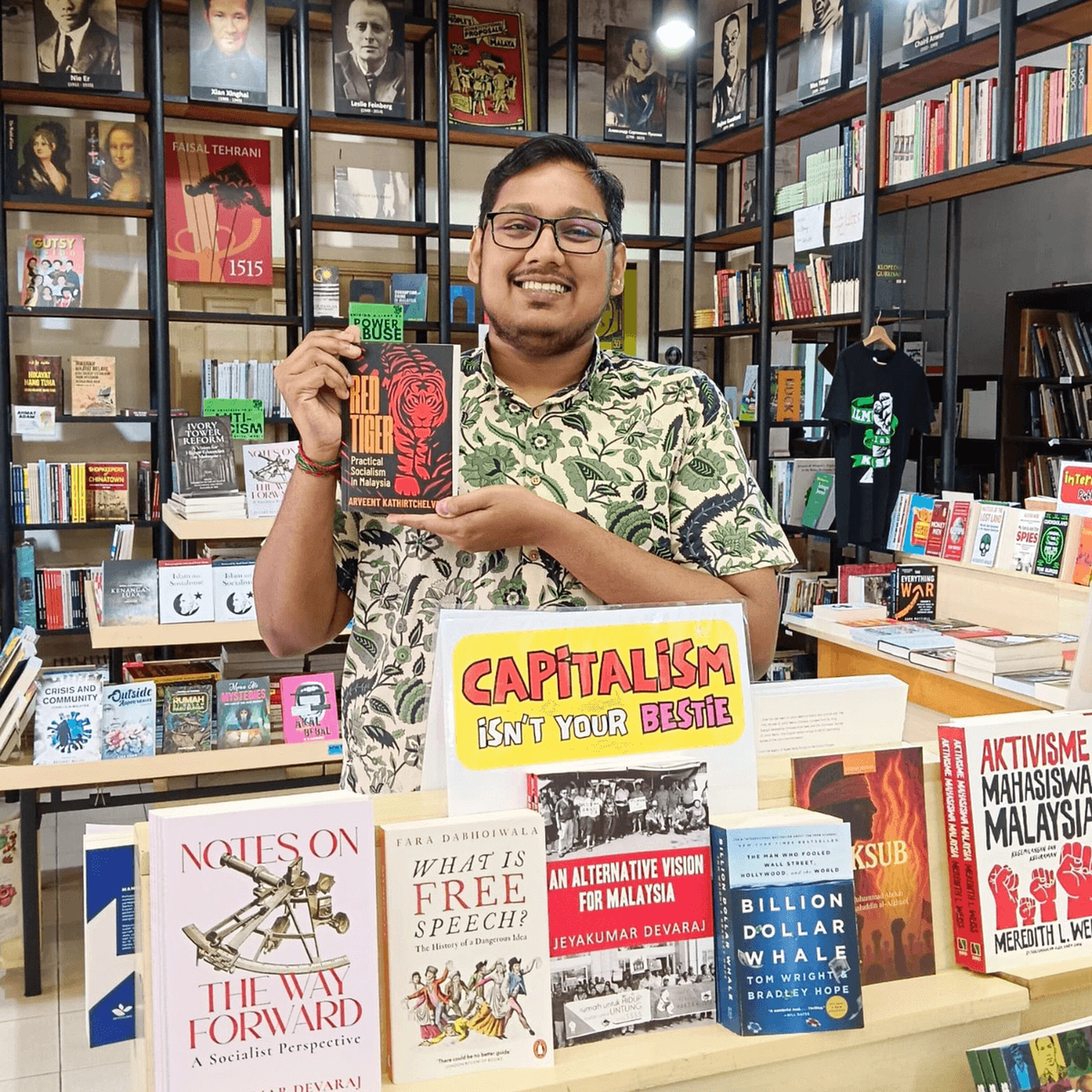
Red Tiger: Practical Socialism in Malaysia is a new book by Arveent Kathirtchelvan. In it he argues that Malaysia's problems aren't simply the result of bad politicians and that things such as low wages, inequality, and concentrated economic power are connected to the underlying logic of capitalism itself. So the question isn't merely "How do we make the current system work better?" but "What woul
What Would Socialism Look Like in Malaysia?
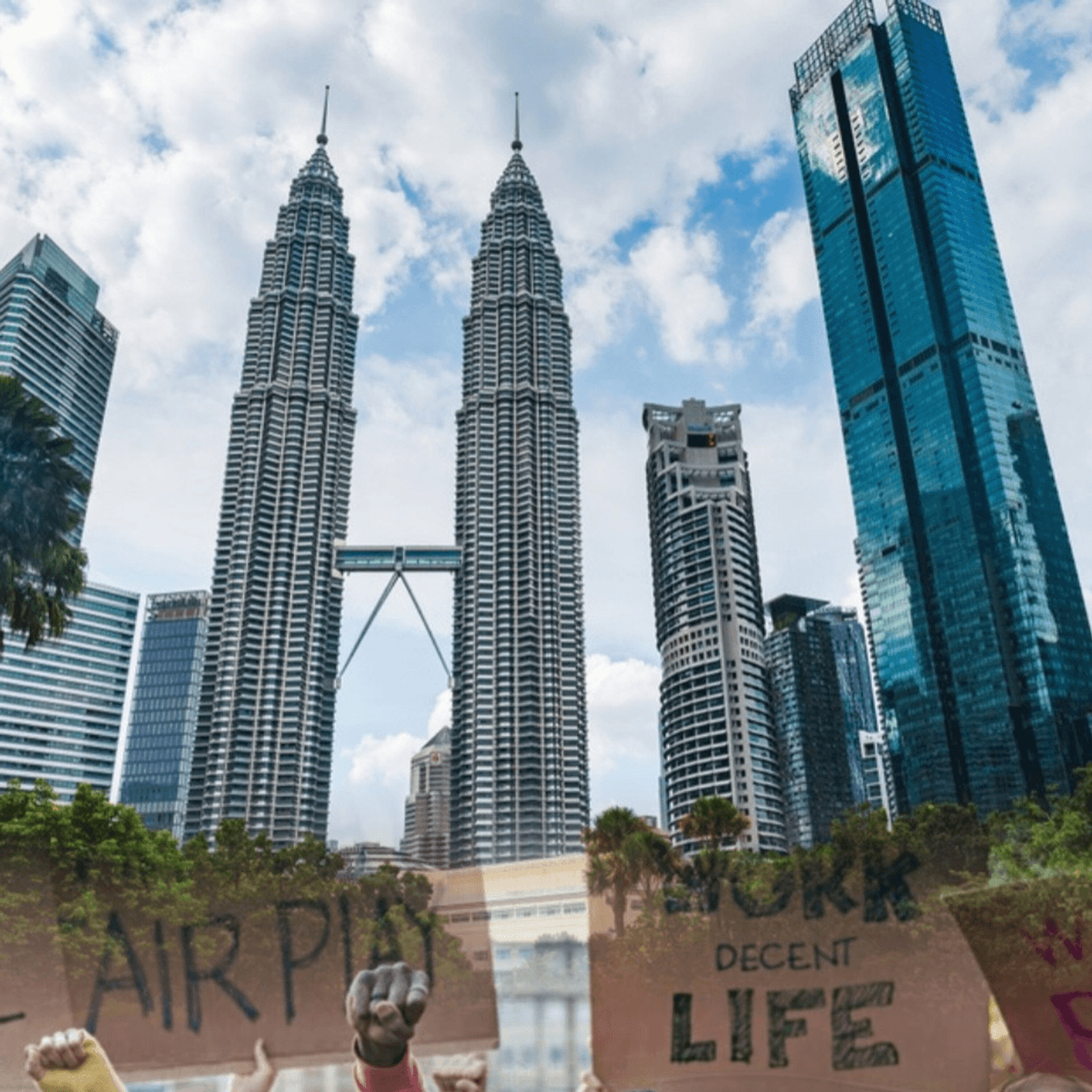
Malaysia is a parliamentary democracy and a constitutional monarchy. Like much of the world, it is also a nation-state deeply embedded in the global capitalist economy, shaped by decades of neoliberalism and privatisation. At the same time, Malaysia has universal public healthcare, a large public education system and a significant state-owned sector through government-linked companies. So, what do
Ones to Watch #12 - Youth, Political Parties and GE-16
It's a wrap! The Ones to Watch series has heard the journey and stories of 10 young politicians wanting to make Malaysia a better place. To discuss how youth enter and rise in political parties, we speak with Dashran Yohan of BFM89.9 and Iskandar Fareez, National Vice Chief of DAPSY, who react and reflect to clips from different interviews.Image Credit: ShutterstockSee omnystudio.com/listener for
Sabah: A History of Struggle, Identity and Resistance
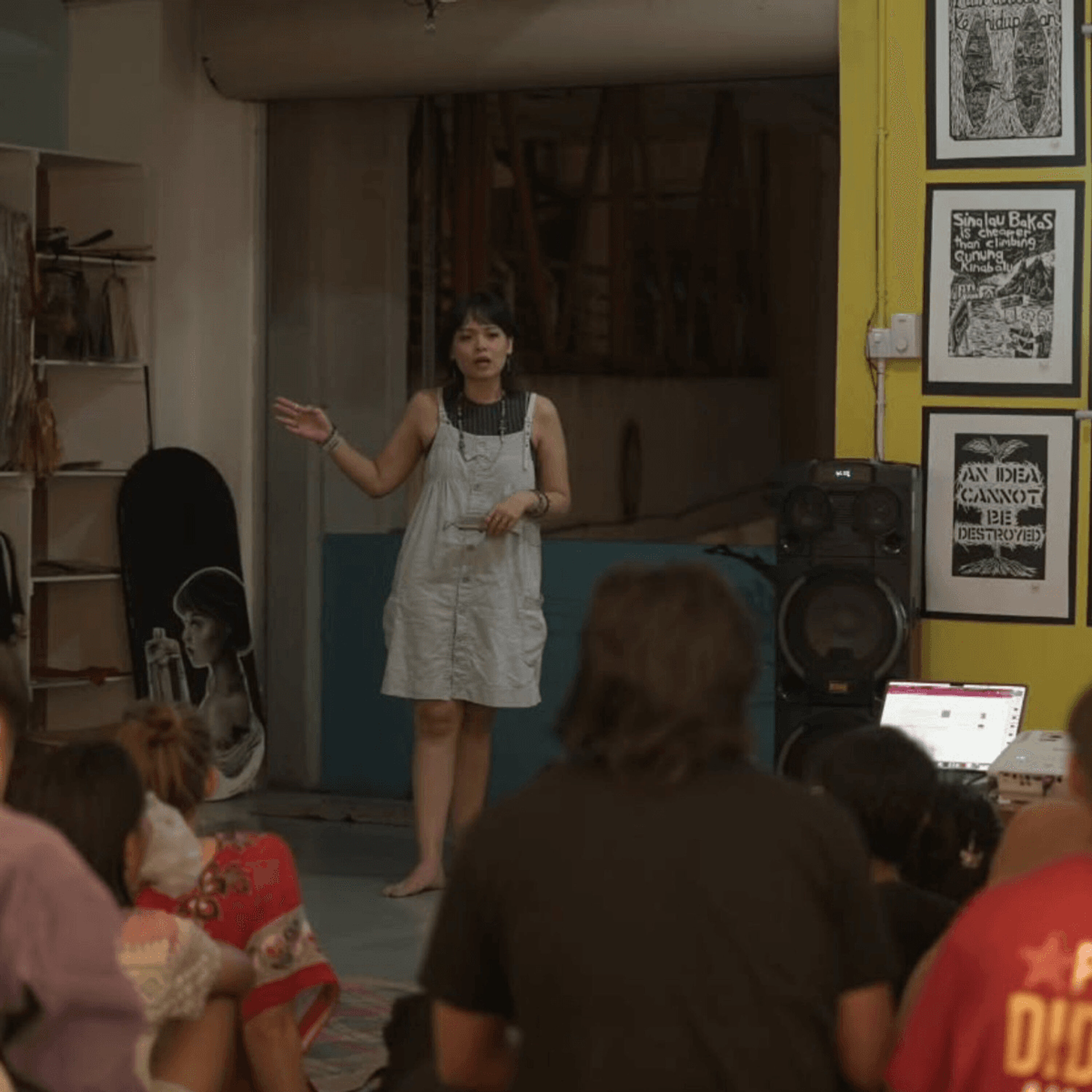
Nadira Ilana is a Sabahan filmmaker, activist and storyteller. Born and raised in Sabah, she has spent years documenting stories that often sit outside the dominant national narrative, tackling questions of memory, identity and nation-building from the Sabahan perspective. In conjunction with Malaysia Day, we speak to Nadira about Malaysia from a Bornean perspective. We talk about her persona
Ones to Watch #11 - How do young politicians learn the ropes?
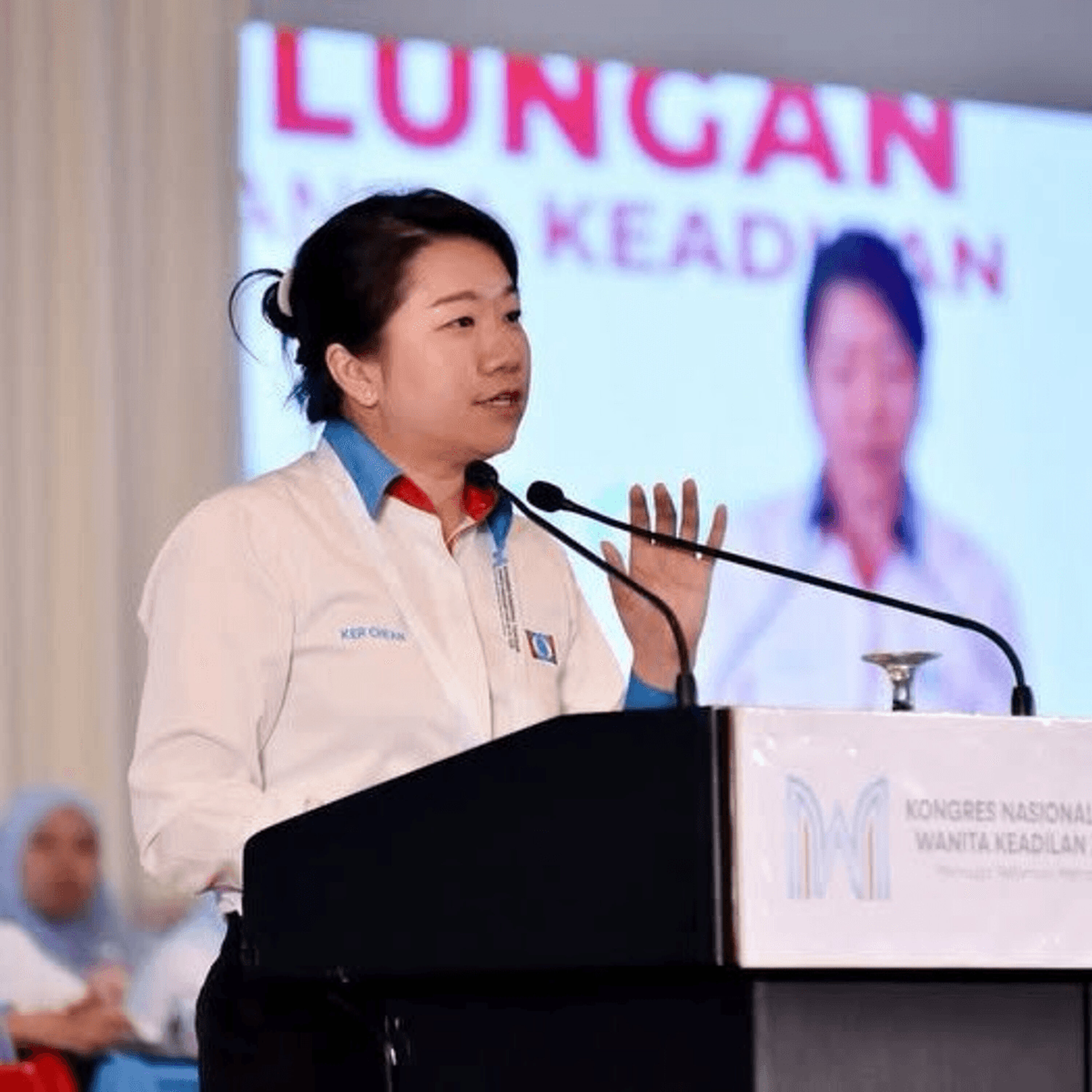
Every minister in Putrajaya has a private secretary, a press officer, and a special officer. Many of these officers go on to become politicians themselves. To examine how young political actors learn the ropes, we speak to Loh Ker Chean, National Vice Chief of Wanita KEADILAN and Special Functions Officer to the Minister of Education. Image Credit: Loh Ker Chean Facebook See omnystudio.com/li
ASEAN in a Multipolar World
The global order is shifting, with the dominance of the US being challenged by a rising China and a more multipolar world taking shape. For Southeast Asia, these changes bring both opportunities and risks: ASEAN is attracting investment as companies diversify their supply chains, but many countries remain heavily dependent on foreign capital, low wages and competition with their neighbours. So is
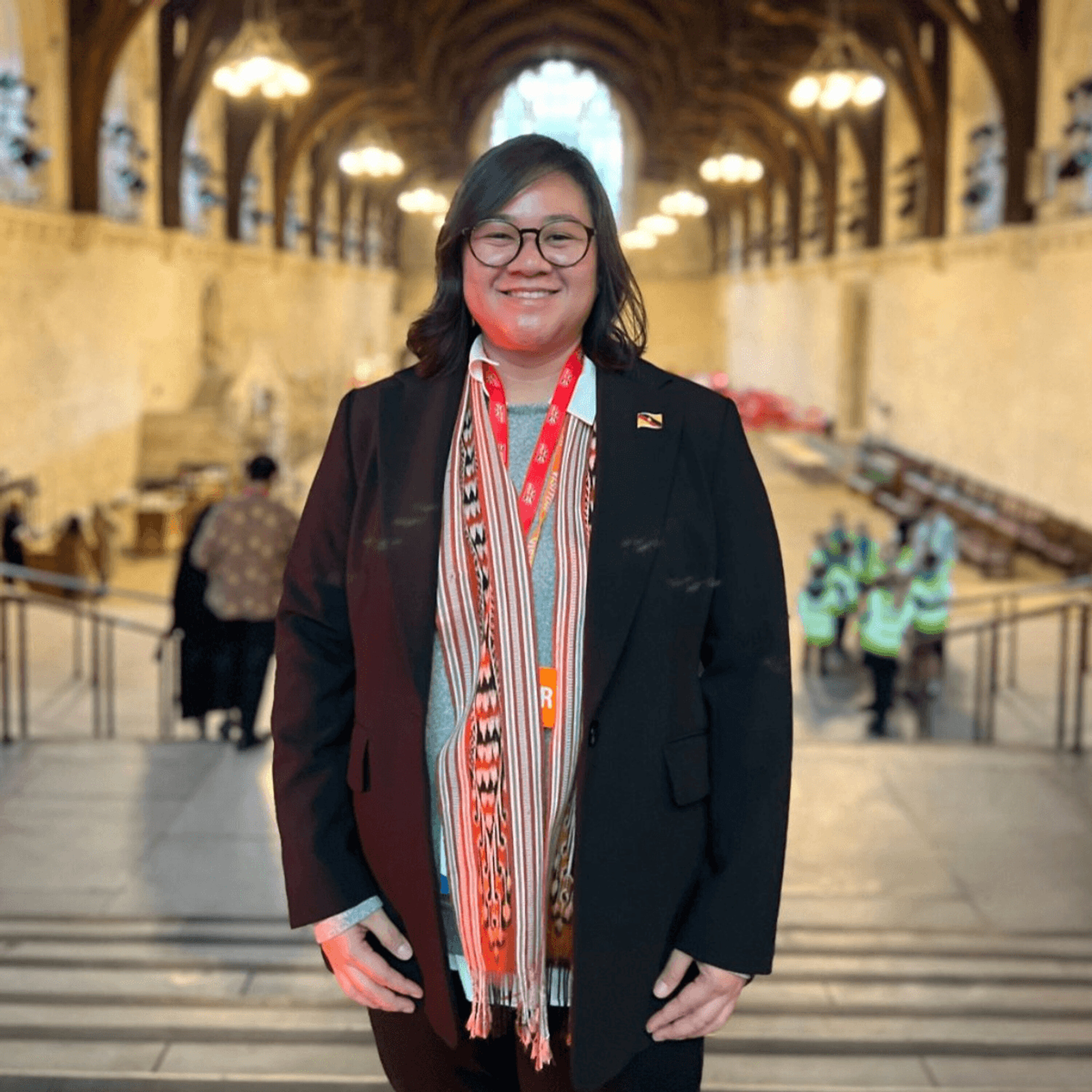
Ones to Watch #10 - Where are youth in Sarawakian politics?
The Sarawak State Assembly is predicted to be dissolved this year, paving way for the 13th Sarawak general elections. Amidst the talk of seats and the redelineation of boundaries, where do youth fit in the larger picture of Sarawakian politics? We speak to Deborah Dris, former Press Secretary to the Minister of Women, Family and Community Development, and Committee member of Parti Pesaka Bumiputer
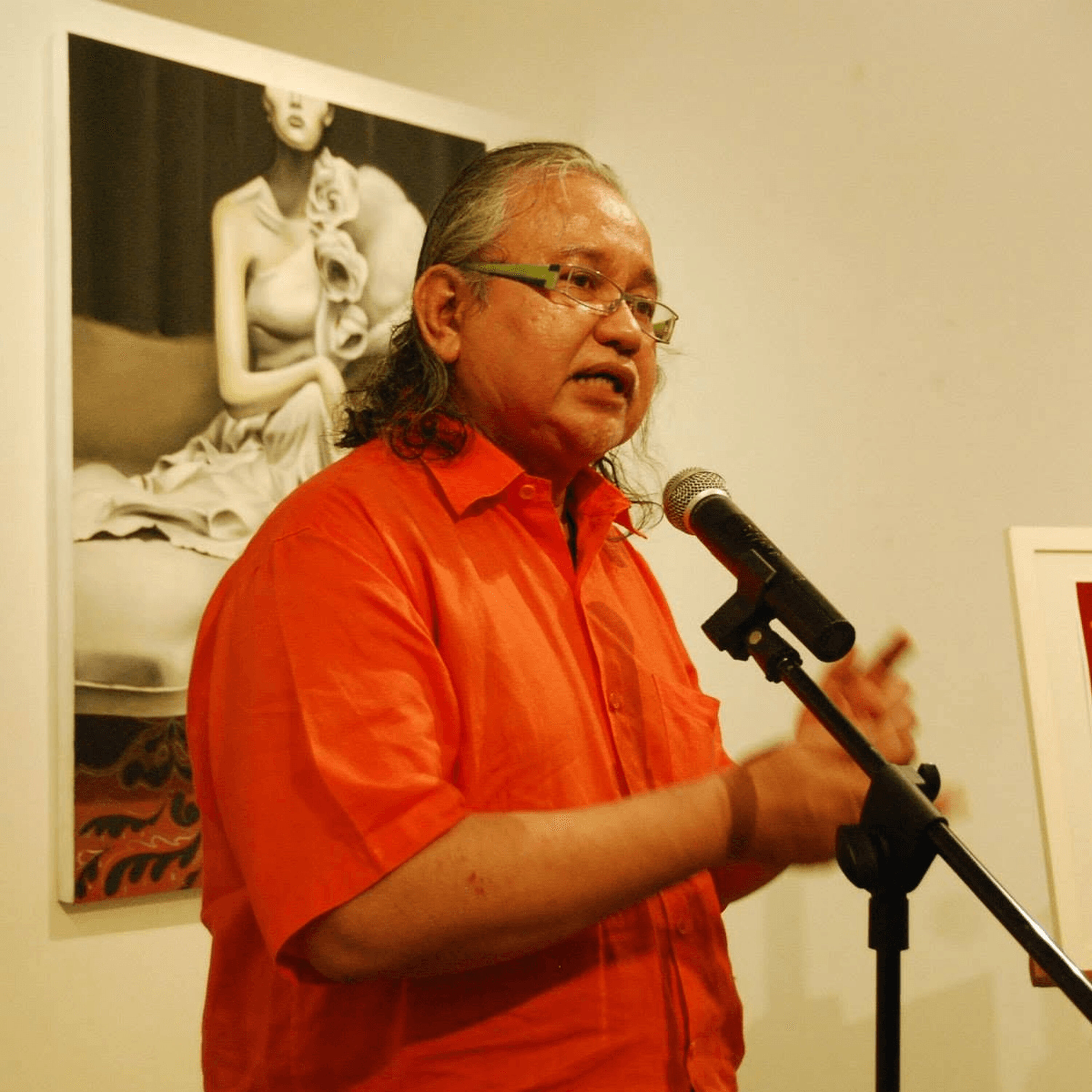
Reading History Through Letters
Sepucuk Surat, Sebuah Episod is a new book by Raja Ahmad Aminullah, a writer, poet and cultural activist. The book documents a particular episode from around 25 years ago through personal letters, petitions and the writer’s own recollections, involving several prominent Malaysians including Anwar Ibrahim. In this episode, we speak to Raja Ahmad about the book and why these letters are worth
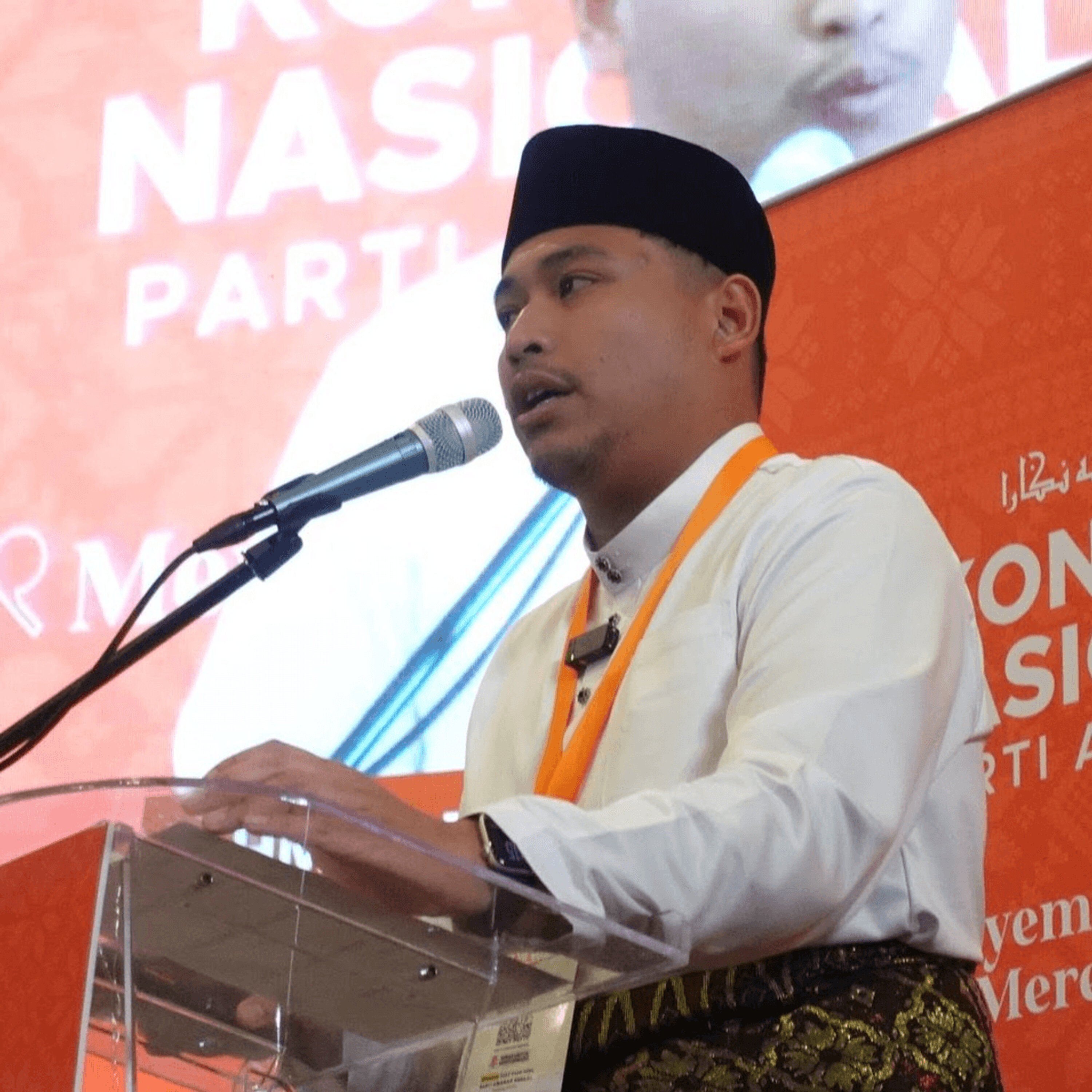
Ones to Watch #9 - Can Muslim youth usher in progressive politics?
In an increasingly fragmented political space where identity politics rule, what do progressives need to do in order to win? We speak to Fadhli Umar Aminolhuda of Pemuda Amanah to discuss the GE15 green wave and what progressive Muslims need to do in order to turn the tide.Image Credit: Fadhli Umar Aminolhuda FacebookSee omnystudio.com/listener for privacy information.
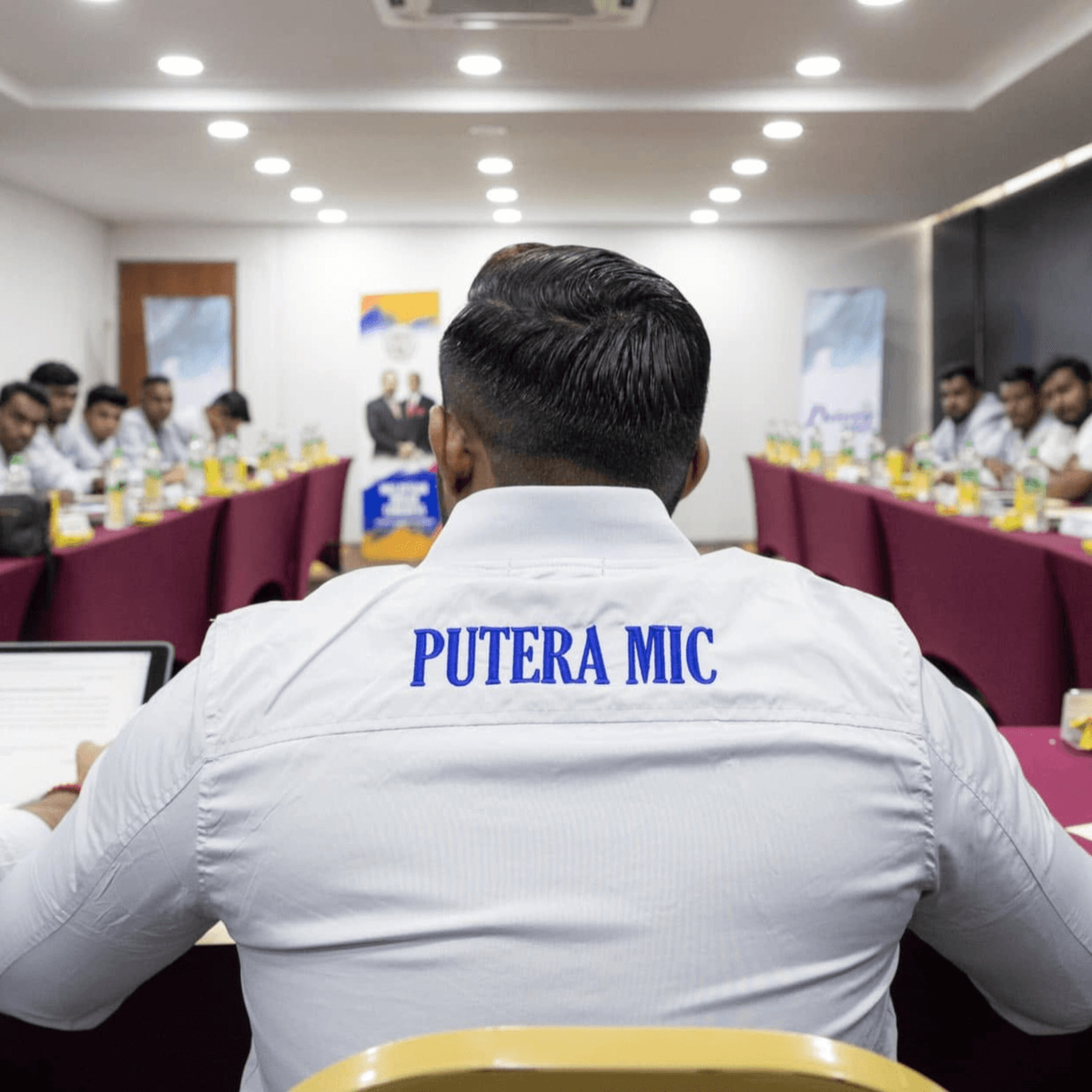
Ones to Watch #8 - Can youth revive a party?
The Malaysian Indian Congress won all four seats it contested in the recent Johor elections, with its youngest newly minted ADUN only 29 years old. For a party almost wiped off the electoral map in 2018, can it be revived? We speak to Dr Shatesh Kumar, National Chief of Putera MIC, if youth can play that part.Image Credit: Dr Shatesh Kumar FacebookSee omnystudio.com/listener for privacy informatio

Why We Need to Move Towards a Wellbeing Economy
Since the end of World War II, but particularly since the end of the cold war, much of the world has used GDP or Gross Domestic Product to measure economic health and progress. However, the past several decades show us that economic growth doesn’t necessarily translate into an economy that delivers for the people. We are, after all, in an era where wealth inequality is at the highest it's ever bee
Ones to Watch #7 - How do youth persevere in politics?
Most youth who run for elections will lose their first try. Why do some candidates keep trying, while some others exit politics? We speak to Rashifa Aljunied, who placed third as MUDA's candidate in Puteri Wangsa in the recent Johor state elections on her journey and why she's continuing her political ambitions.Image Credit: Rashifa Aljunied FacebookSee omnystudio.com/listener for privacy informat
Could ‘Solidarity’ Be the Antidote to Identity Politics?
Following a series of electoral defeats in Sabah, Johor and most recently Negeri Sembilan, questions are being asked about the future and direction of Pakatan Harapan, including what they’ve been doing wrong and what needs to be done moving forward. In a recent post, Rajiv Rishyakaran, DAP member and ADUN for Bukit Gasing, argued that PH needs to define its core purpose and develop a stronger poli
Ones to Watch #6 - Can Student Activists become Good Politicians?
Our student movements have fed our parties for generations, from Prime Minister Anwar Ibrahim of UM and ABIM to Adam Adli, who now sits in Cabinet. But every activist who makes that crossing faces the same question. Do you change politics, or does politics change you? We speak to Zaim Zulkifli, member and campaigner for Parti Bersama who currently sits right at that crossing.Listen to the rest of
Lessons From Anthony Loke’s Defeat in Chennah
One of the big stories coming out of Pakatan Harapan’s defeat in the recent Negeri Sembilan state elections is the loss of DAP’s secretary general, Anthony Loke, in the Chennah seat. He first won the seat in 2013 from Barisan Nasional’s MCA and, after 13 years, lost the seat to MCA again. In light of this defeat, yesterday, in a press conference, Loke announced that he will be stepping down as the
Ones to Watch #5 - How Do Youth Rise Within a Party?
How does a youth member rise to leadership within a political party? What is the ladder? Who holds it? And how long is the climb? We speak to Azman Azeez, Exco of Pemuda UMNO Malaysia in charge of leadership and membership development, to learn how our oldest party recruits its young talent.Image Credit: UMNO OnlineSee omnystudio.com/listener for privacy information.
Why Providing Free Breakfast in Schools Should Be a National Priority
The Selangor state government has announced a free breakfast programme for schoolchildren, which is scheduled to begin in August. It is aimed at ensuring students have access to nutritious meals before they begin their school day with a target of reaching 120,000 pupils in 965 schools. Former Klang MP Charles Santiago has argued that the initiative should not be limited to Selangor, but expan
Title: Ones to Watch #4 - City Councillorship as a Stepping Stone for Politicians?
City councillors are the unsung champions of local politics, covering a wide range of jurisdictions such as infrastructure and development. Is serving the community a good first step into national politics for youth? We speak to Nalina Nair, Petaling Jaya City Councillor and Publicity Secretary for DAP Women Selangor on the viability of councillors as a pathway into politics.Image Credit: Nalina N
PSM Keeps Losing Elections. So Why Do They Still Contest?
Gandipan Nantha Gopalan, Central Committee Member, Parti Sosialis MalaysiaDescription: Socialism has been gaining renewed attention around the world. In the English-speaking world, figures like Zohran Mamdani in the US and Zack Polanski in the UK have brought socialist ideas back into mainstream political conversations. At the same time, there are growing calls for higher taxes on the wealthy and
Ones to Watch #3 - Is Going Viral a Pathway into Politics?
A social media arena can make or break a political party’s success in modern elections. However, is going viral enough to make a breakthrough in Malaysian politics? Na’Im Brundage, Exco of ARMADA, which is Bersatu’s youth wing and TikTok influencer, shares his journey from content creator to political maverick. Image Credit: Na'Im Brundage FacebookSee omnystudio.com/listener for privacy infor
Understanding Kuala Lumpur and the Forces That Shaped It
Reluctant Capital: Essays on Kuala Lumpur is a new book which explores how KL and the Klang Valley has grown into a modern capital while grappling with deep social, political, and economic tensions. Through a series of essays combining urban theory with on-the-ground research, author Badrul Hisham Ismail examines how neoliberalism, government-controlled development and Malaysia's ethnic politics h
Ones to Watch #2 - What Motivates Young Politicians?
The average age of members of Parliament in Malaysia is a staggering 52.4 years old. So, why would young people want to join politics? What motivates them? In the second episode of Ones to Watch, we speak to Cassel Krishnan, Melaka DAPSY chief and a violin teacher on his journey into politics, and the challenges youth face in rising in party leadership. Listen to the first episode here.I
How Will Johor Transform Over the Next Decade?
We're just a few days away from the Johor state election on the 11th of July. As Johor positions itself to become one of Malaysia's most important economic engines, with the Johor-Singapore Special Economic Zone aiming to attract major investments and high-value industries, questions are also being asked about who stands to benefit from that growth. Will these investments translate into bette
Ones to Watch #1: UNDI 18, Buyers Regret?
1.2 million youth became eligible voters when Malaysia lowered the voting age to 18 in 2019. As Malaysia enters another season of elections, are youth ready to step up to participate in national politics? Nurul Rifayah, a youth activist and Ahmed Faris, CEO of Impact Integrated, walk us through reflections on the past four years of youth in politics.See omnystudio.com/listener for privacy informat
What Explains Malaysia’s Long-Standing Low Wage Problem?
The big perennial problem in Malaysia is wages. A lot of Malaysians today feel they're working harder but not getting ahead—they're either experiencing stagnant incomes or finding themselves worse off than the generation before—because wages remain stubbornly low. Despite years of economic growth, many households continue to struggle with the rising cost of living, raising fundamental questions ab
Why Malaysia Needs a More Robust Refugee Framework
According to UNHCR, there are about 117 million asylum seekers worldwide as of 2025. In Malaysia, approximately 200,000 refugees and asylum seekers are registered with UNHCR, with estimates suggesting the actual number may be significantly higher. In past interviews, we’ve talked extensively about some of the challenges faced by refugees. The truth is, whether we “like” them or not, so long a
Is Liberalism Fading? What Comes Next?
Since the end of World War II, the world has been underpinned by a particular global economic system: Liberalism. This has solidified further since the end of the Cold War and has remained largely unchanged for decades. However, for various reasons that we will unpack throughout this conversation, that world is fading. So, amidst the increasingly fluid geopolitical landscape, will a different orde
The Big Political and Economic Challenges Facing Malaysia
Many Malaysians are familiar with the story of how colonial powers used divide-and-rule policies to reshape Malayan society, creating ethnic and class structures whose effects continue to reverberate today. But how should we understand our political and economic development post-independence? How did neoliberalism reshape society? Why, despite decades of economic growth, do so many Malay
Malaysia’s Death Formula
An extensive new report by the criminal justice system reform NGO Hayat contends that Malaysia’s anti-drug framework has evolved into a system that often punishes low-level couriers who are deceived and manipulated rather than kingpins that run the show. It traces this problem to two key legal mechanisms: statutory presumptions in the Dangerous Drugs Act and the doctrine of wilful blindness. Toget
The Truth About US and Israel's Relationship With Iran
The Strait of Hormuz has been blocked for a few months now, which has resulted in a global energy crisis. While some hope things will return to the way they were, many geopolitical experts think this is the new normal. So it's all the more reason for us to understand the conflict between Iran and the West at a deeper level. In his paper titled The Intimate Enmity: Iran and the West, Yin Shao Loong
Does Singapore Need More Democracy?
Dr Chee Soon Juan is one of Singapore’s most prominent opposition politicians and has served as secretary-general of the Singapore Democratic Party (SDP) since 1993. Despite not having a seat in Parliament, Chee has spent decades advocating greater political pluralism, civil liberties, democratic reform, and stronger social welfare policies in Singapore. Like most in Singapore who choose to active
How International Institutions and Structures Failed Palestine
Saul Takahashi is a Japanese human rights lawyer and academic known for his work on Palestine, international human rights law, and Islamophobia research. He served as Deputy Head of Office of the Office of the UN High Commissioner for Human Rights in Occupied Palestine from March 2009 to May 2014. He’s currently a Non-resident Fellow at the Hashim Sani Centre for Palestine Studies, University Mala
Kami Orang Sini Juga #8: Does China’s Soft Power Influence Local Chinese Identity & Politics?
Kami Orang Sini Juga is a mini-series in collaboration with IMAN Research. This series explores how young Malaysian Indians and Chinese understand identity, belonging, and their place in Malaysia today. It builds on IMAN’s earlier project, Orang Kita, which focused on Malay Muslim youth.In the 8th and final episode, we explore the rise of China as a global powerhouse and whether its soft power is
Kami Orang Sini Juga #7: Does the Hindu-Supremacist RSS Exist in Malaysia?
Kami Orang Sini Juga is a mini-series in collaboration with IMAN Research. This series explores how young Malaysian Indians and Chinese understand identity, belonging, and their place in Malaysia today. It builds on IMAN’s earlier project, Orang Kita, which focused on Malay Muslim youth.In the seventh episode, we unpack a bit of the history of one of the most well-organised far-right organisa
Kami Orang Sini Juga #6: What Are the Key Priorities of Malaysian-Chinese Youth?
Kami Orang Sini Juga is a mini-series in collaboration with IMAN Research. This series explores how young Malaysian Indians and Chinese understand identity, belonging, and their place in Malaysia today. It builds on IMAN’s earlier project, Orang Kita, which focused on Malay Muslim youth.In the sixth episode, we explore the key priorities of Malaysian-Chinese youth, including infrastructure an
Kami Orang Sini Juga #5: Why Malaysian-Indians Feel Disconnected from Local Politics?
Kami Orang Sini Juga is a mini-series in collaboration with IMAN Research. This series explores how young Malaysian Indians and Chinese understand identity, belonging, and their place in Malaysia today. It builds on IMAN’s earlier project, Orang Kita, which focused on Malay Muslim youth.In the fifth episode, we unpack why young Malaysian Indians feel disconnected from politics in the country,
Kami Orang Sini Juga #4: Do Young Malaysian-Chinese Care About Politics?
Kami Orang Sini Juga is a mini-series in collaboration with IMAN Research. This series explores how young Malaysian Indians and Chinese understand identity, belonging, and their place in Malaysia today. It builds on IMAN’s earlier project, Orang Kita, which focused on Malay Muslim youth.In the fourth episode, we unpack how young Malaysian Chinese relate to politics of the country, as well as
Kami Orang Sini Juga #3: Do Indians Feel Shortchanged by the Education System?
Kami Orang Sini Juga is a mini-series in collaboration with IMAN Research. This series explores how young Malaysian Indians and Chinese understand identity, belonging, and their place in Malaysia today. It builds on IMAN’s earlier project, Orang Kita, which focused on Malay Muslim youth.In the third episode, we unpack if Malaysian-Indians feel shortchanged by the education system, with Shalee
Kami Orang Sini Juga #2: How Do Young Malaysian-Chinese Define Identity?
Kami Orang Sini Juga is a new mini-series in collaboration with IMAN Research. This series explores how young Malaysian Indians and Chinese understand identity, belonging, and their place in Malaysia today. It builds on IMAN’s earlier project, Orang Kita, which focused on Malay Muslim youth.In the second episode, we explore what it means to be Malaysian-Chinese today — not just as an ethnic c
Kami Orang Sini Juga #1: Exploring the Malaysian-Indian Identity
Kami Orang Sini Juga is a new mini-series in collaboration with IMAN Research. This series explores how young Malaysian Indians and Chinese understand identity, belonging, and their place in Malaysia today. It builds on IMAN’s earlier project, Orang Kita, which focused on Malay Muslim youth.In this first episode, we provide an overview of the diversity within the Malaysian Indian community an
GEGAR and the Making of a Multicultural Movement Against Imperialism
Gerakan Gabungan Anti-Imperialis or GEGAR is a progressive youth-led movement that aims to build a left-wing, multicultural, and transnational front in Malaysia against Zionism and U.S. imperialism. Since their formation in 2023, they’ve been organising and mobilising against U.S. interventionist aggression in the Global South, with a special focus on the liberation of Palestine. We speak to
The Importance of Celebrating Labour Day
Labour Day is observed every year on the 1st of May. It’s a holiday in most countries around the world and perhaps one of the most important ones. However, most of us don’t think about its significance and even take it for granted. Behind the holiday lies a legacy of protest, solidarity, and the ongoing fight for workers’ rights, even in here in Malaysia. In this episode, we discuss the signi
Roshinee Mookaiah on Dilarang Ponteng Parlimen Campaign, Social Media and Fairly OddParents
MPs skipping parliament has long been a problem in Malaysia. It’s not uncommon to turn on the TV to watch a parliamentary sitting and notice droves of empty seats. The most mind-boggling aspect is that an MP, which literally stands for Member of Parliament, can be absent from parliament for a period of six months before Parliament may – not must, but may – declare their seat vacant. In respon
When Children Are Made Prisoners: A Palestinian Speaks
In April, Palestinians observe two very important days. The first is Palestinian Children’s Day, which takes place on the 5th and was established in 1995 by the late Palestinian liberation activist and politician, Yasser Arafat, to highlight the rights and welfare of Palestinian children. April is also the month of Palestinian Prisoners Day to honour Palestinian prisoners held in Israeli detention
Charles Hector Reflects on Labour Rights and Human Rights in Malaysia Through the Years
Charles Hector is a Malaysian lawyer and prominent human rights advocate known for his long-standing activism on issues such as labour rights, migrant worker protection, and campaigning against the abolition of the ISA back in the day. He’s also been closely associated with civil society groups like Malaysians Against Death Penalty and Torture (MADPET), frequently speaking out on legal, political,
What if Socrates and Confucius Had a Conversation About Democracy and Justice?
A Dialogue Across Civilisations: The Polis and the People by Tan Wah-Piow is a short work of political philosophy that stages an imagined conversation between major thinkers from different eras and traditions, including ancient Greek Philosopher, Socrates, revolutionary German thinker, Karl Marx to ancient Chinese philosopher, Confucius. It explores enduring questions about justice, democracy, pow
Here’s the Truth About Racism in Malaysia’s Rental Market
If you’re someone who lives in the Klang Valley or in other major cities in the country, chances are you’re at least somewhat aware that there is racial discrimination in the rental market. You may have your own lived experience, heard a story from a friend, or perhaps seen a sign online or walked past one in real life that reads “No x race" or "no y race” or maybe… “Chinese only.”But just how ser
War, Diplomacy, and the Dollar: Insights from a Former Malaysian Ambassador
Dr Ilango Karuppanan is a former Malaysian diplomat who has witnessed firsthand how war and conflict can shape conditions on the ground, including how businesses adapt. In this episode, we speak to Dr Ilango about some of the lessons he has learned over the years about diplomacy and how the US & Israel’s illegal war of aggression in Iran is impacting international relations and perception
Why Are Children Getting Detained Under SOSMA?
The Security Offences (Special Measures) Act (SOSMA) has once again come under fire following reports that several minors were detained under its provisions in a recent security operation. The case has sparked concern among human rights groups, including SUARAM, over potential violations of child protection laws and allegations of abuse while in custody. The incident has also reignited calls for u
What Role Will Europe Play in Changing Global Order?
The world is changing at a pace few expected. From the ongoing Russia–Ukraine War to the devastation in Gaza Strip and Israel’s broader regional expansion, the foundations of the post-Cold War order appear increasingly unstable. At the World Economic Forum in Davos, Mark Carney warned that there is a "rupture" in the global order. Meanwhile, European leaders such as Emmanuel Macron have called for
Oil Shocks to Inflation: How Should Malaysia Respond to the US–Israel–Iran War?
In late February 2026, the United States and Israel carried out coordinated illegal military strikes on Iran, which is a sovereign country. Within the first few days, they bombed a school full of young Iranian girls and assassinated Ayatollah Ali Khamenei, the Iranian head of state. This set off a rapidly escalating regional conflict, with Iran attacking US military bases in neighbouring Gulf coun
How Late-Stage Capitalism Produces a World of Permanent Crisis
Today, we’re living through what often feels like a constant stream of disruptions, from wars, economic instability, the climate change, and even loneliness and a loss of meaning and purpose in life. In an article for For Pol India, political analyst Manishankar Prasad argues that these crises are not isolated but intertwined and due to late-stage capitalism. So, in this episode, we speak to
Former Prime Minister of Timor-Leste on History, Culture and Development Strategies
Timor-Leste is a relatively young nation with an incredibly rich history and culture that many, even within the region, may not be very familiar with. It is also the newest member of ASEAN.In this episode, we’re joined by Dr Rui Maria de Araújo. Dr Rui, who's a member of the revolutionary centre-left political party Fretilin, is a physician, public health specialist, and statesman, and also served
Local Councilor Kusaaliny on Transforming Petaling Jaya and Navigating Racial & Religious Tensions
Petaling Jaya was originally developed in the 1950s as one of Malaysia’s first planned suburbs, built to house residents moving out of the crowded city centre of Kuala Lumpur. Decades later, many of its neighbourhoods are ageing even as demand to live in PJ remains strong because of its central location and economic activity. Now, a new local plan aims to transform the city from a low-rise suburb
Anti-Corruption: Is MADANI on the right track?
Malaysia’s fight against corruption remains one of the country’s most persistent political and institutional challenges. While the latest results from the Transparency International Corruption Perceptions Index show Malaysia improving slightly to 52 points and ranking 54th globally, the broader picture remains complicated. Progress in rankings does not necessarily mean corruption has been meaningf
MANDIRI: A House for Activists and Rebels
MANDIRI is a youth-driven civil society organisation founded in 2024 that aims to strengthen democratic participation, social justice, and civic engagement among young people. It is established by a group of activists, namely Amir Hadi, Mohamad Alshatry and Dobby Chew – names you probably recognise if you’ve been listening to the show for some time. In this episode, we speak to Dobby Chew abo
Reform or Regression? AG-PP Split, MACC Controversy and MADANI’s Promises
Malaysia today finds itself at an important juncture. For starters, the MADANI government is currently led by a reformist coalition and a Prime Minister who has championed good governance and institutional reform for decades. The past few weeks have been especially pivotal, though. On the one hand, you’ve got a recent Bloomberg investigation into alleged “corporate mafia” behaviour within the
Iran, US, Israel: Can Regime Change Be Defended in the Name of Human Rights?
Two days ago, the U.S. and Israel launched massive joint air operations against Iran, saying they were targeting military infrastructure and seeking regime change. Hundreds of civilians have been killed, including more than a hundred young Iranian girls, whose school was bombed. Several senior Iranian military figures and politicians have also been killed, including the Iranian Supreme Leader, Aya
How Transparent and Accountable Are Major Political Parties in Malaysia?
For the longest time, particularly since the late 90s, then-opposition parties from PKR to DAP to PAS campaigned on a platform of anti-corruption and anti-cronyism, against the Barisan Nasional. This only intensified during former, disgraced Prime Minister Najib Razak’s time in power and the 1MDB scandal. This ultimately led to the downfall of the Barisan Nasional government in 2018.The question i
Understanding The Politics of Eviction in Malaysia
We often hear about neighbourhoods being evicted, houses being torn down, and communities organising against the state or private developers, demanding fair compensation, proper consultation, and the right to remain on their land.Development, Displacement and Democracy: The Place of Eviction Protests in Malaysia is a paper that examines how these eviction protests function as an important but ofte
How Films Can Help Us Make Sense of the World
Take One Action is an initiative based in Scotland that uses film as a tool to help people make sense of the world. The organisation curates documentaries and features that explore themes like inequality, climate justice, human rights, and collective action, often pairing them with discussions, workshops, and conversations with activists, academics, and filmmakers. In this episode, we speak t
China Rising Part 2: Taiwan, Xinjiang, Sovereignty and Human Rights
For many of us born in the 90s, we’ve only known one world: A world where the US has been the singular hegemon, leading what we call a unipolar world. This has been the case since the tail end of the Cold War and especially so after the fall of the Berlin Wall. But things are changing. There’s plenty of talk about a shift towards a multipolar world. This isn’t just what’s been said by leftist
China Rising Part 1: How the Unipolar World Is Ending
For many of us born in the 90s, we’ve only known one world: A world where the US has been the singular hegemon, leading what we call a unipolar world. This has been the case since the tail end of the Cold War and especially so after the fall of the Berlin Wall. But things are changing. There’s plenty of talk about a shift towards a multipolar world. This isn’t just what’s been said by leftist
What Do the Epstein Files Teach Us About Power?
Jeffrey Epstein was a financier and convicted sex offender whose network spanned the worlds of finance, politics, academia, and celebrity. Recently, the U.S. Department of Justice released what is now known as the Epstein Files. There are over 3 million pages, 2,000+ videos, and 180,000+ images, so far, including flight logs, emails, court filings, and internal notes detailing his activities
Do Business Schools Play a Role in Normalising Labour Exploitation?
We often discuss the exploitation of labour, especially at the very bottom of the chain, namely the migrant workers who are frequently trapped in conditions that resemble modern-day slavery. But one thing we haven’t really interrogated is the role of business schools: what they teach, what they leave out, and whether the lessons and curriculum deal primarily with managing a boardroom and ensu
How Cartels Shape the Migrant Labour System in Malaysia
Recently, Bloomberg published an in-depth investigation into the recruitment of Bangladeshi migrant workers into Malaysia, exposing how inflated fees, cartel-like recruitment structures and political protection have trapped thousands of workers in debt, exploitation and, in some cases, human trafficking. The article explicitly names individuals linked to these cartels. We speak to Charles San
What You Need to Know About a Highly Underappreciated Component of Elections
Most of us know that elections are important. After all, they shape who governs us and how decisions get made. But we rarely stop to think about what actually happens behind the scenes: the hundreds, sometimes thousands of workers and volunteers who make sure polling day runs smoothly, especially polling staff on the ground. In this episode, we speak to Danesh Prakash Chacko, Chairperson of P
How to Navigate a Polarised Malaysia
Malaysia is incredibly polarised right now, especially across racial and religious lines. Perhaps that has always been the case to some degree, given the ethnocentric political parties and culture that have dominated a bulk of our history since independence and especially so post 1969. Things seem to be getting worse. You often get the sense that every community feels that they’re marginalised or
How to Make KL and the Klang Valley More Liveable
Three things we often hear about Kuala Lumpur and the Klang Valley at large is that it’s incredibly congested, not walkable and that it is becoming increasingly unaffordable. But why do these problems persist? We speak to Aziff Azuddin, associate researcher at IMAN Research, about the greater Klang Valley’s urban design philosophy and key principles on building an equitable and inclusive city.&nbs
Vijay Prashad on Venezuela, Iran and American Imperialism
It’s been a turbulent start to 2026. To kick off the year, the United States kidnapped Venezuelan President Nicolás Maduro. Just days later, some of the biggest protests in Iran in decades erupted and continue to unfold. Some leaders, particularly in the West, have framed the unrest from the perspective of human rights and are calling for intervention, while others advise caution and
Teach For All’s Founder on Closing the Education Inequality Gap
You are probably already familiar with Teach For Malaysia, the education nonprofit that does incredible work by placing committed young leaders in under-resourced schools and developing them into long-term advocates for educational equity. It is one of, if not the most important, education nonprofits in the country. What many may not realise is that Teach For Malaysia is part of a global network c
DAP Must Embrace Its Social Democratic Roots
Lim Yi Wei is the ADUN for Kampung Tunku and DAP Wanita national assistant publicity secretary. Yi Wei, whose parents were both teachers in public schools, is a social democrat at heart and believes in building a fairer and more equitable Malaysia for all.Recently, she penned an article titled "What Next for DAP," where she argued that the party’s social democratic roots have increasingly been ove